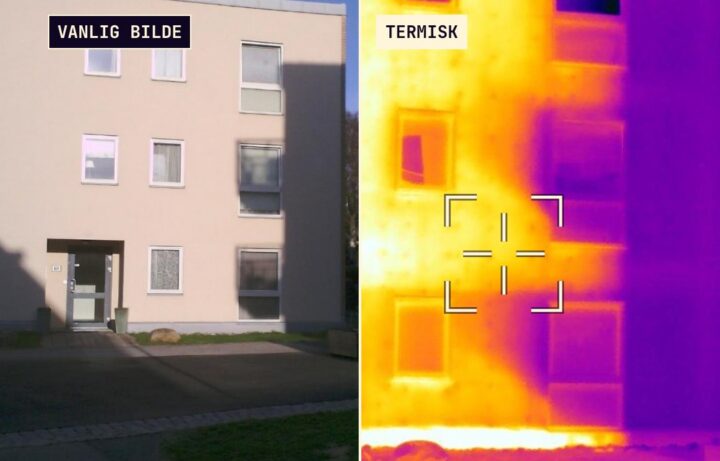
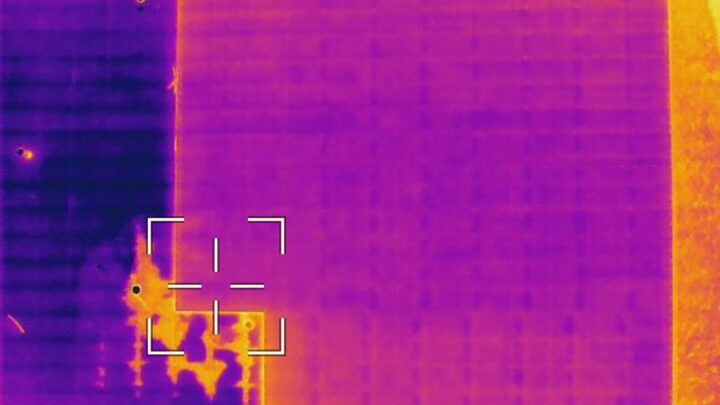
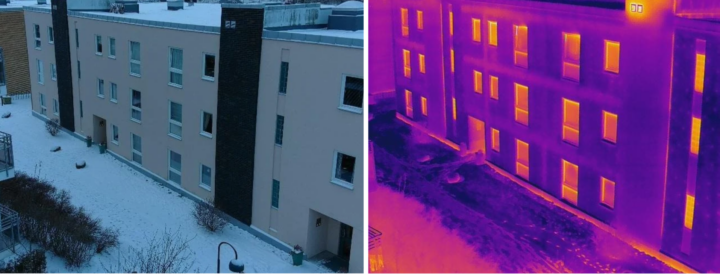
Termografi gir nye muligheter for droneinspeksjon. På digitalt kurs 2.–3. desember lærer du å forstå varmebildene og bruke dem som grunnlag for bedre vurderinger.
Et tak kan se uproblematisk ut og likevel ha forhold som bør undersøkes. Lær hvordan termografi med drone kan gi et bedre grunnlag for inspeksjon og vedlikehold.
Et bygg kan skjule mer enn vanlige dronebilder avslører. Lær å forstå varmebildene og vurdere tegn på avvik på digitalt termografikurs med drone 2.–3. desember.
The war in Ukraine has transformed how unmanned technology is developed, adapted and used. Drones are becoming more capable, while new methods of electronic warfare, autonomous operation and Counter-UAS continue to emerge. For Europe's security community, the question is whether existing protection systems can keep pace with a threat landscape that is changing faster than ever.
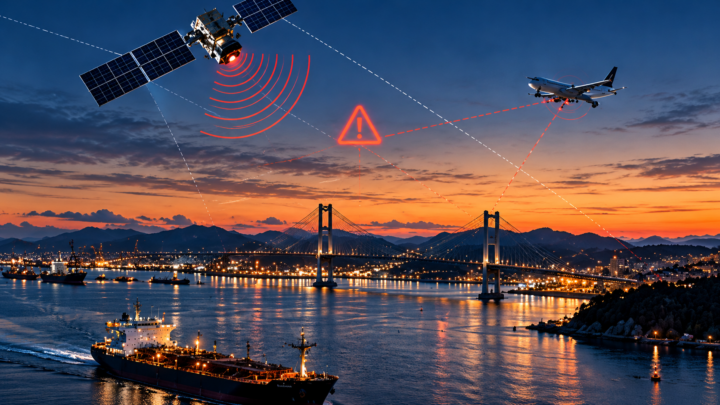
Modern society depends on satellite navigation far more than most people realise. Aircraft, vessels, drones and critical systems rely on signals that can be disrupted or manipulated, sometimes without operators immediately recognising the problem. As GNSS interference becomes a growing concern in Europe, authorities are being forced to ask how prepared they really are.
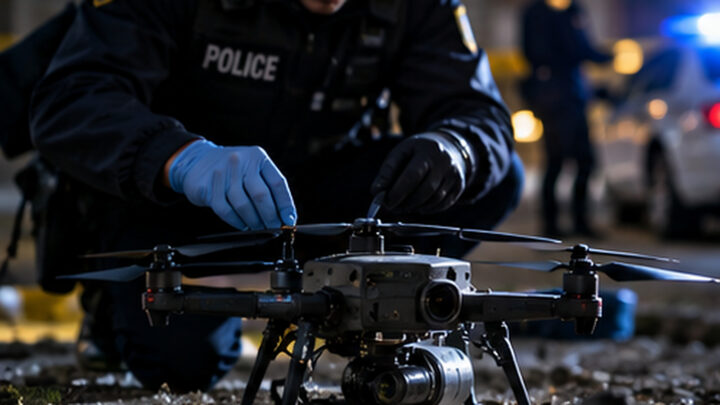
Drones are giving criminal networks new ways to operate, from smuggling contraband into prisons to monitoring sensitive locations. For law enforcement, the technology presents challenges that traditional policing methods were not designed to address. But the same drones used to commit crimes may also contain valuable evidence that helps investigators identify those responsible.
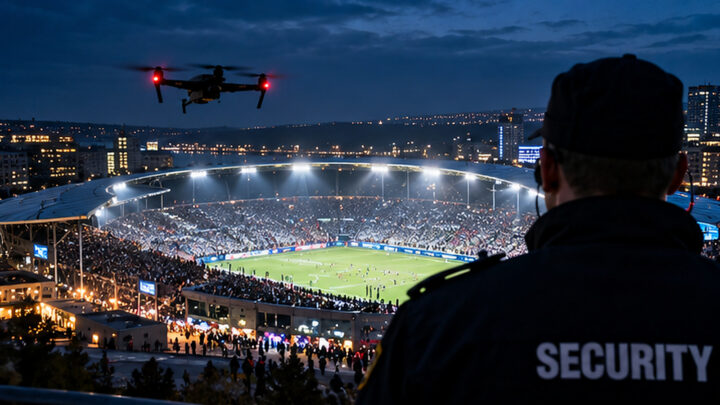
Thousands of spectators, extensive security arrangements and carefully controlled entrances. Major international events invest heavily in protecting people on the ground, but an unidentified drone can approach without passing a single checkpoint. As unmanned technology becomes more accessible, authorities are being forced to rethink how the world's biggest events are protected.
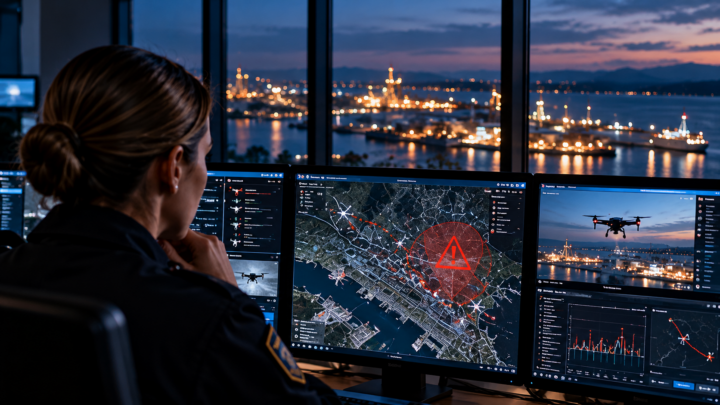
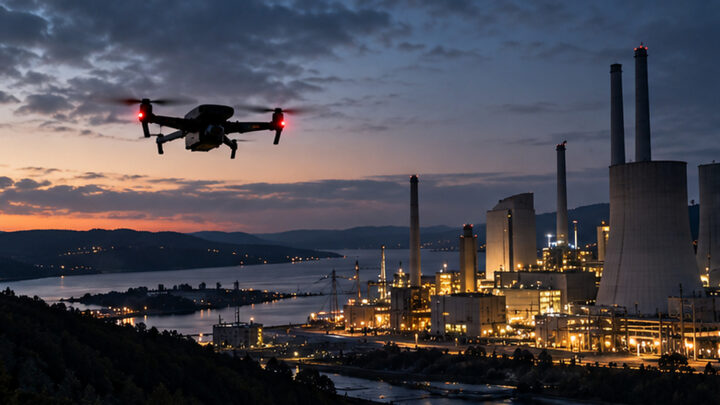
An unidentified drone appears near a power station. Security personnel can detect it, but determining who is operating it, what it is doing and whether it poses a threat is far more complicated. Across Europe, authorities and infrastructure operators are facing a growing challenge: Who takes responsibility when a potential threat comes from above?
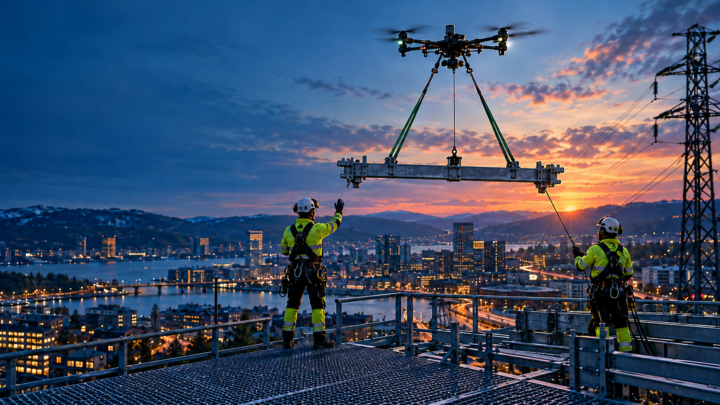
Kraftlinjer, steinfyllingsdammer, vindturbiner, rørgater og miljøkartlegging stiller helt forskjellige krav. For energibransjen ligger gevinsten i å forstå hvilke oppgaver dronen kan overta, hvilke den kan gjøre bedre – og når en annen metode fortsatt er riktig.
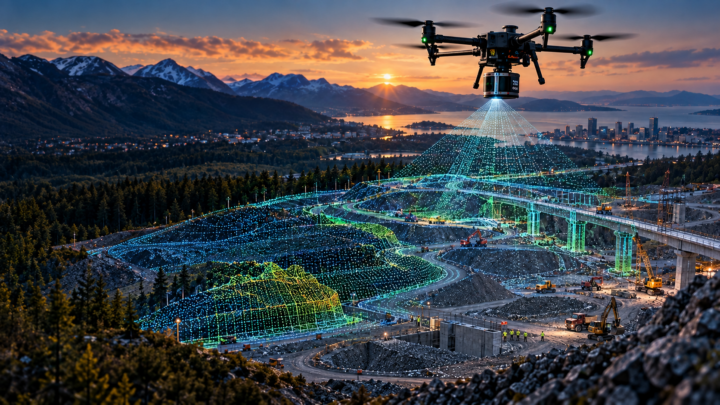
Energiselskapene kan samle inn mer data enn noen gang. Utfordringen er ikke lenger å få tak i bilder, men å avgjøre hvilke data som faktisk trengs, hvor ofte de skal samles inn og hvordan de skal bli til bedre vedlikehold.
Meld deg på vårt nyhetsbrev i dag og få siste nytt om dronebransjen i Norge!
Dronemagasinet er medlem av Fagpressen og arbeider etter Vær Varsom-plakatens regler for god presseskikk. Dronemagasinet har ikke ansvar for innhold på eksterne lenker.
Fung. redaktør: Anders Martinsen - am@dronemag.no - Nyhetssjef: Anders Martinsen am@dronemag.no